Exploring the Ķemeri Bog Boardwalk
A complete guide to walking the famous peatland trail. Learn what you'll see, best times to visit, and how to prepare for the 2km journey through unique ecosystems.
What Awaits You on the Trail
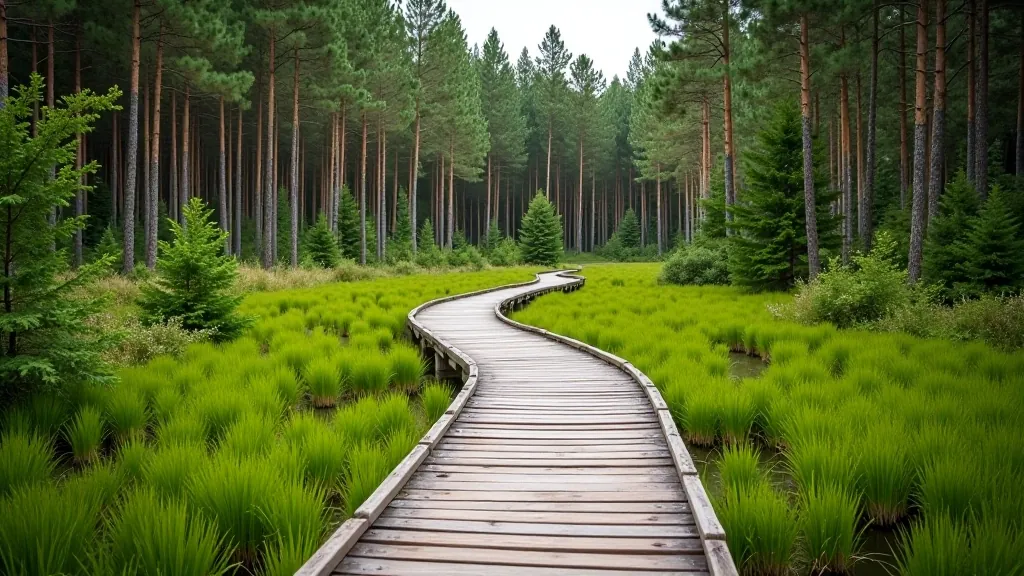
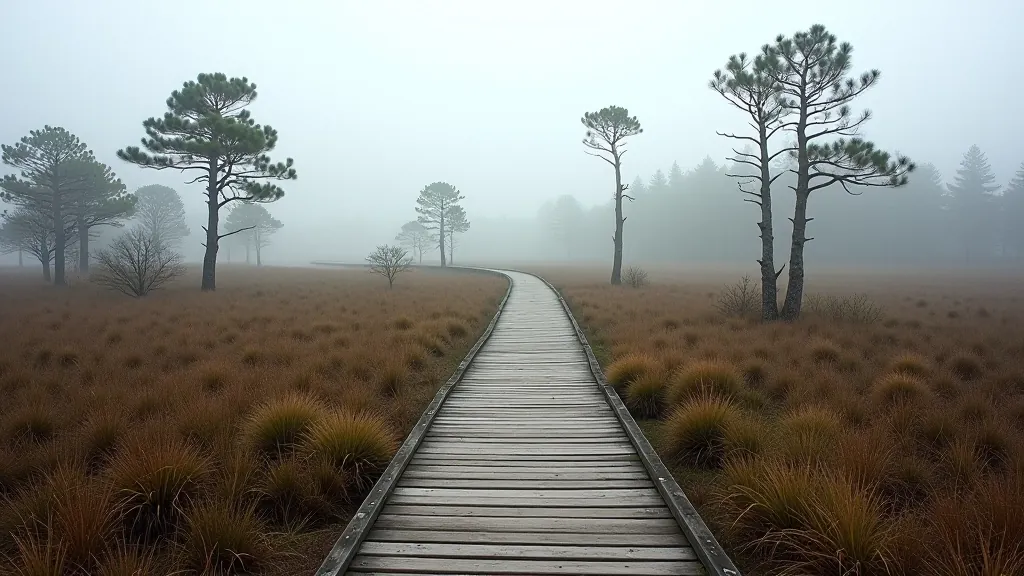
The Ķemeri Bog Boardwalk isn't your typical nature walk. It's a 2-kilometer elevated pathway that takes you right into one of Latvia's most pristine ecosystems. You're walking above the peat, surrounded by rare plants, twisted pine trees, and the constant hum of nature. It's peaceful but also genuinely fascinating — the kind of place where you'll notice something new every few meters.
What makes it special? You're not just observing nature from a distance. The boardwalk brings you directly into the habitat. You'll see carnivorous sundew plants, bog cotton swaying in the breeze, and if you're lucky, migrating birds overhead. Most visitors finish the walk in 60 to 90 minutes, though plenty of people take longer to pause and really look around.
2
km elevated boardwalk
60-90
minutes to complete
400+
plant species present
The First Half: Entering the Bog
You'll start from the visitor center parking area. The boardwalk begins with a gentle slope, and immediately you're surrounded by trees. Don't rush this section — the canopy here is thick and creates a cool, shaded atmosphere even on hot days. This part of the trail feels more like forest walking than bog exploration.
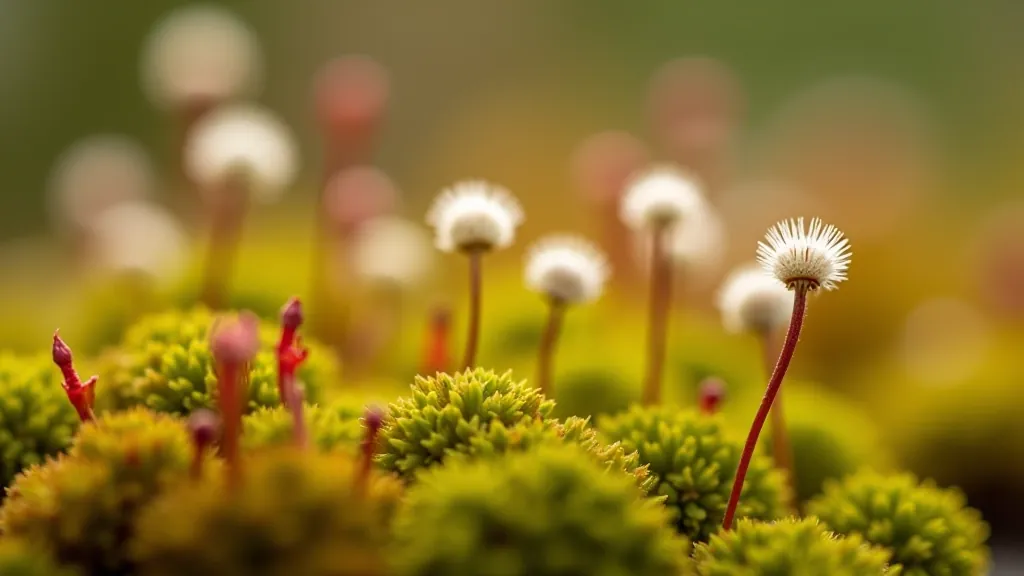
Around the 500-meter mark, the trees start to thin out. You'll notice the ground changes. The vegetation becomes lower and more sparse. This is where you're actually entering the bog proper. The air feels different — slightly cooler, damper. You'll start spotting the distinctive plants that make bogs unique. Sphagnum moss carpets the ground, and if you look carefully, you can spot the tiny red sundew plants with their sticky tentacles designed to trap insects.
The mid-point of the trail is where most people pause. There's a viewing platform that overlooks the open bog landscape. It's genuinely striking — the sense of space and emptiness contrasts sharply with where you started. This is also the best spot for photography if you're bringing a camera.
How to Prepare Properly
Here's what actually matters when you're planning this walk. Weather is everything. Bogs are exposed environments. If it's windy or rainy, you'll feel it intensely. Check the forecast before you go — it's not a walk to do in heavy rain or strong winds. Morning visits are usually better because afternoons often bring wind from the coast.
Footwear matters more than you'd think. The boardwalk itself is flat and stable, but it can be slippery when wet. Good walking shoes or hiking boots with decent grip are essential. Don't wear sandals or flip-flops — it's not that kind of walk. Bring layers. The bog is cooler than the surrounding area, and wind makes a real difference in how you'll feel.
What to Bring
- Water bottle (at least 500ml)
- Insect repellent (mosquitoes are present)
- Sunscreen or hat
- Light rain jacket
- Comfortable walking shoes with grip
Best Times to Visit
- Late May through September
- Early mornings (fewer crowds)
- Clear days with light winds
- Spring for migratory birds
- Early autumn for fewer insects
The Second Half: Wildlife and Ecology
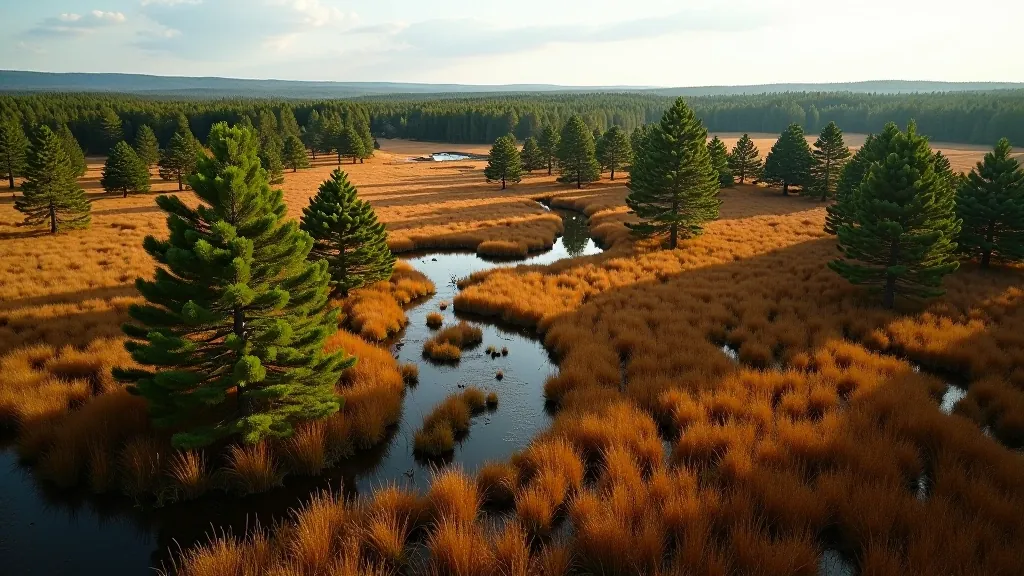
After the midpoint platform, the trail continues through even more open bog landscape. This is where you're most likely to spot wildlife. You won't see large animals — bogs don't support them. But you'll hear birds. Curlews, snipes, and various warblers are common. If you visit in spring during migration season, you might see significantly more bird activity.
The bog itself is a living ecosystem that's thousands of years old. The peat beneath the boardwalk has been accumulating for over 10,000 years. It's basically compressed plant material — a historical record of what grew here in ancient times. Scientists study bog peat to understand how the climate and vegetation have changed. You're literally walking over a time capsule.
The final kilometer brings you back toward tree coverage, but in a different way than the beginning. You'll be walking through transition zones where bog meets forest. The landscape feels less harsh, more welcoming. By the time you reach the end, you've experienced the full spectrum of bog ecology in one walk.
Practical Tips for Your Visit
Pace Yourself
Don't aim to rush through. The walk is 2km, but it's designed for observation. Stop at viewpoints. Take photos. Sit quietly and listen. You'll get way more out of it than if you're just trying to check it off your list.
Respect the Environment
Stay on the boardwalk. The bog is fragile, and the plants are protected. Don't pick anything, don't disturb nests, and keep noise to a reasonable level so you don't scare away birds.
Visit in Off-Peak Hours
Summer weekends get busy. If you want a quieter experience, go on a weekday morning. You'll see more wildlife too — animals are less active when crowds are around.
Bring Good Optics
Binoculars are genuinely useful here. Birds can be small and distant. If you're interested in plants, a magnifying glass or macro lens helps you appreciate the tiny details that make bogs special.
Plan Around Weather
Bogs are unforgiving in bad weather. The walk isn't dangerous, but it's significantly less enjoyable in wind, rain, or intense sun. Check the forecast and be willing to reschedule if conditions aren't right.
Accessibility Note
The boardwalk is flat and well-maintained, making it accessible for most mobility levels. Wheelchairs and strollers can manage it, though the experience of being on a bog is best enjoyed at a slower pace.
The Real Value of the Experience
This walk isn't about conquering a distance or checking off a famous landmark. It's about stepping into an environment that's fundamentally different from everyday life. Bogs are ancient, fragile ecosystems that most people never experience. Walking the Ķemeri boardwalk connects you directly to that world.
You'll come away with a different understanding of what nature can be. Not dramatic mountains or beaches, but something subtler and more complex. The bog reveals itself slowly — not through one wow moment, but through accumulated observations. The specific call of a curlew. The delicate structure of bog cotton. The way light hits the sphagnum moss. The age of the peat beneath your feet. These details add up to something genuinely moving.
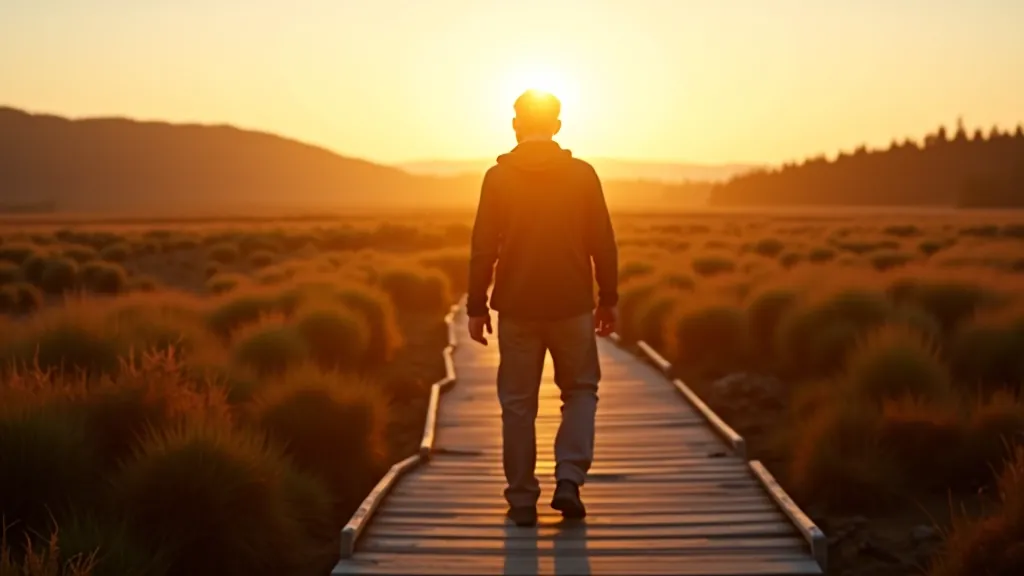
It's also incredibly peaceful. Most people find the walk meditative. There's something about the open space, the minimal human presence, and the sounds of nature that naturally slows you down. You're not thinking about your phone or your to-do list. You're just present, observing, breathing in the cool bog air.
Planning Your Visit
The Ķemeri Bog Boardwalk is accessible year-round, but summer months (May through September) offer the best conditions. The visitor center has facilities including parking, restrooms, and a small café. Entry to the boardwalk is free. The site is less than an hour's drive from Riga if you're planning a day trip, or it works perfectly as part of a longer stay in the Ķemeri area, where you'll also find mineral springs and wellness facilities.
This isn't a strenuous hike or an extreme outdoor adventure. It's a genuine opportunity to experience one of Europe's most important ecosystems at your own pace. You don't need special fitness or skills. You just need curiosity, comfortable shoes, and a willingness to slow down and really notice what's around you.
Whether you're a nature enthusiast, a photographer, someone seeking quiet and peace, or just curious about what a bog actually is — the Ķemeri boardwalk delivers. It's one of those walks where you'll find yourself planning to return, wanting to experience it in different seasons or at different times of day. That's when you know a place has genuinely captured you.
Disclaimer
This guide is for informational purposes and reflects general conditions and best practices for visiting the Ķemeri Bog Boardwalk. Weather, trail conditions, and facility availability may change. Always check current conditions before visiting, follow posted signage, and respect all environmental protection guidelines. For specific accessibility requirements or additional information, contact local visitor services. This article is not a substitute for professional guidance — consult with local authorities or guides for personalized advice based on your individual circumstances and abilities.