Exploring the Ķemeri Bog Boardwalk
A complete guide to walking the famous peatland trail. Learn what you'll see, best times to visit, and what to bring.
Where to find the best spots for sitting, resting, and soaking in the natural surroundings
When you're exploring Ķemeri's natural areas, knowing where to take a proper break makes all the difference. Whether you're walking the boardwalk or moving through the mineral spring areas, there's no shortage of thoughtfully designed rest spaces waiting for you. These aren't just benches scattered randomly — they're carefully placed spots where you can actually sit, breathe, and soak in what makes this region special.
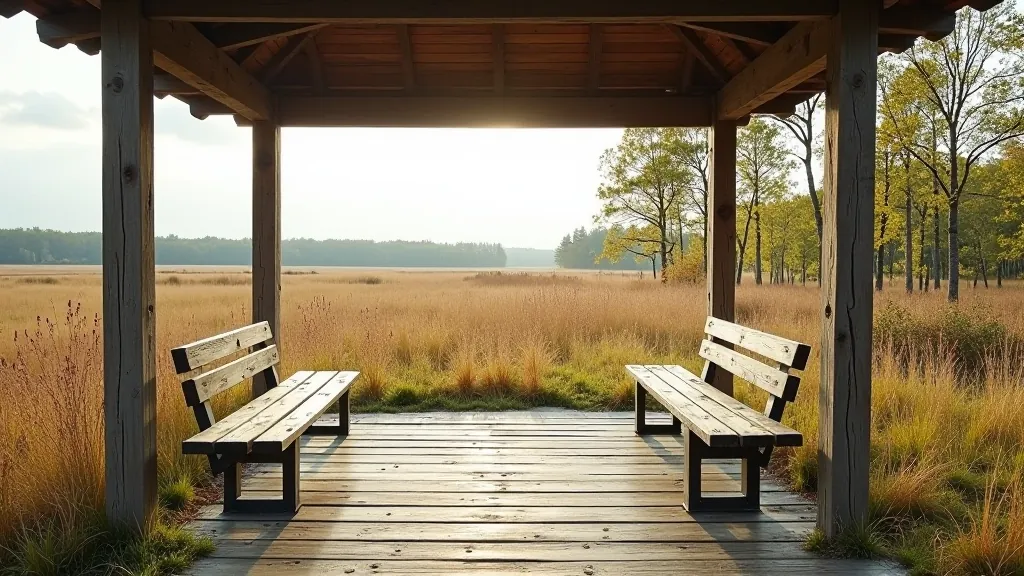
You'll find everything from covered pavilions that shield you from sudden rain to open-air platforms with unobstructed views across the peatland. Some rest areas have backs on the benches (thank goodness), while others let you sink into seats that face the best vistas. We've put together what you need to know about where these spaces are, what to expect when you get there, and how to make the most of your rest time.
Spread across the Ķemeri boardwalk and surrounding nature trails
With seating for groups and shelter from weather
All rest areas are publicly accessible at no cost
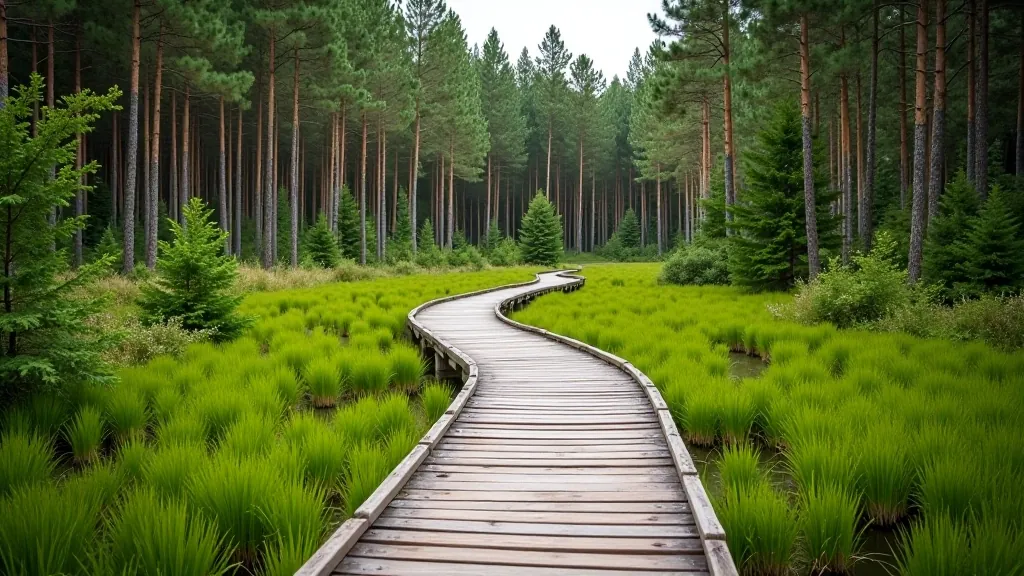
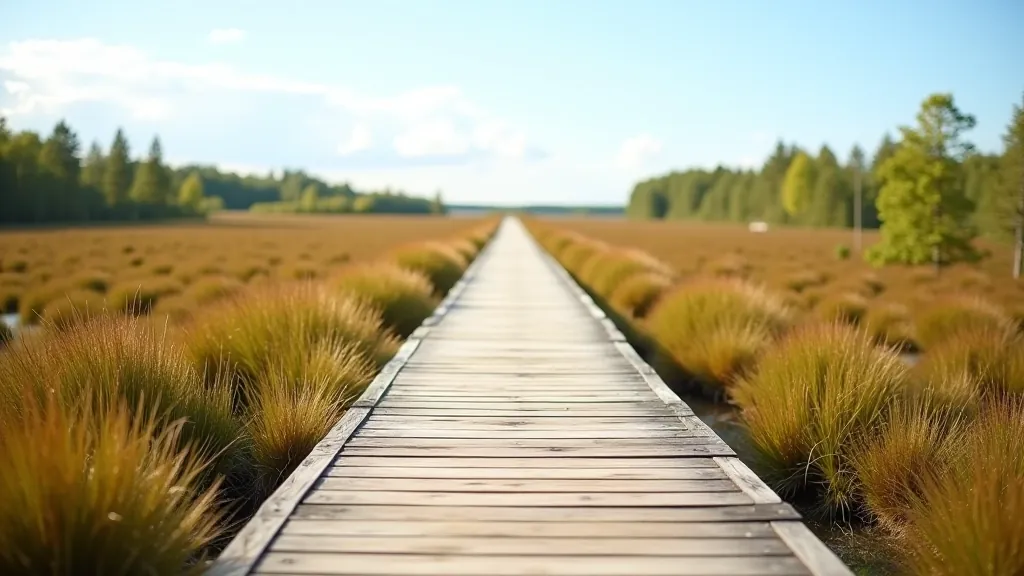
The famous wooden boardwalk stretching through the peatland is built with regular rest stops in mind. You won't find yourself walking more than 400-500 meters without hitting a place to sit. Most of these are simple benches — nothing fancy, but they're solid and positioned so you're facing into the landscape rather than staring at the boardwalk itself.
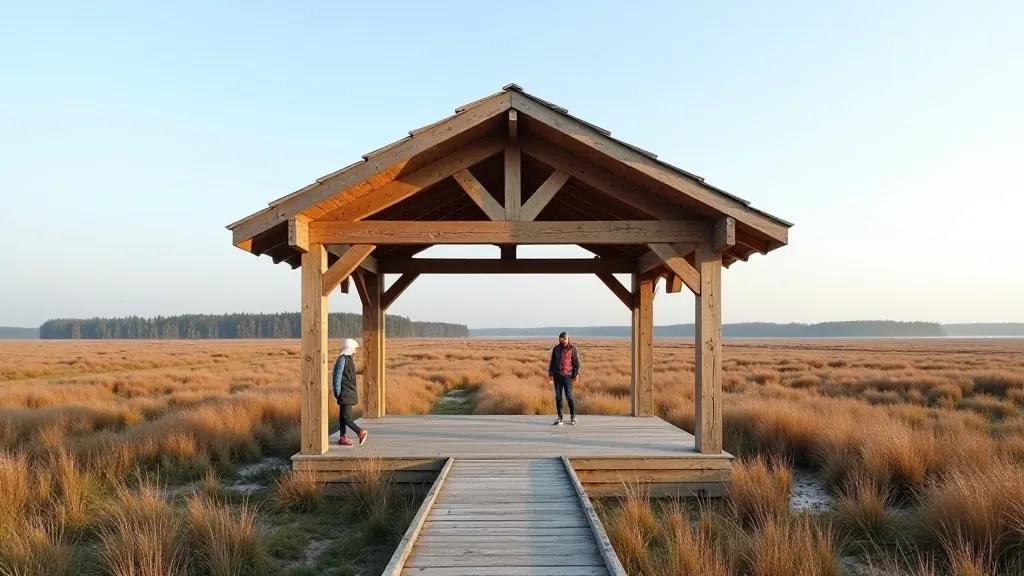
The main pavilion sits roughly halfway along the trail. It's a proper structure with a roof that actually covers you if the weather turns, and there's seating for about 20 people. We've seen it get crowded on nice weekends, but most days you'll find at least a few empty spots. There's also a small platform here where you can stand and take photos without blocking the walkway — something to appreciate if you're visiting with a group.
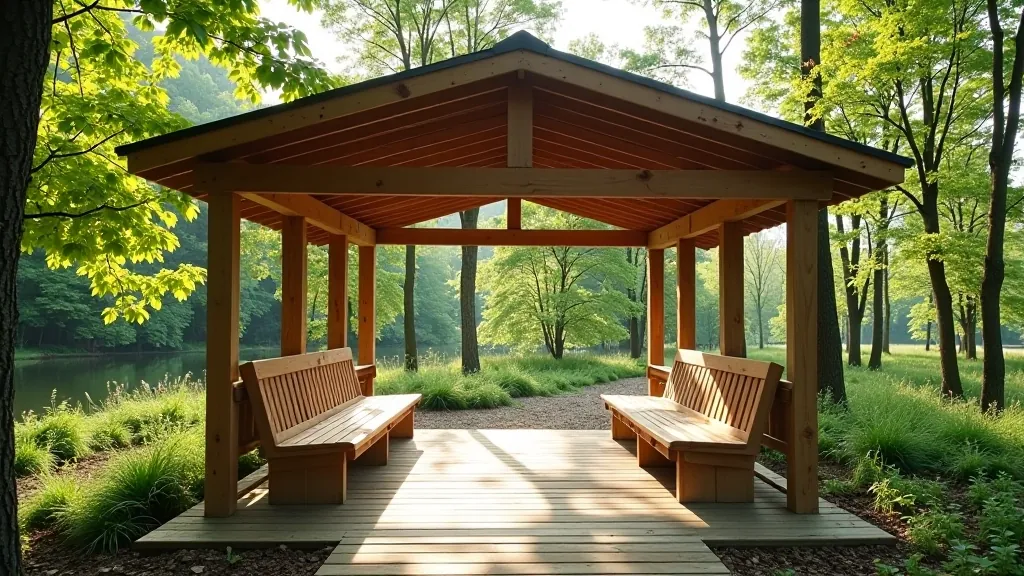
Don't expect modern amenities — these are nature rest areas, not urban parks. What you'll find instead is thoughtful, minimal design that lets the landscape be the focus. The covered pavilions have solid roofs and benches with backs. Some have small waste bins, which is helpful if you're bringing snacks. You won't find water fountains or toilets at most rest areas, so plan accordingly.
The open-air rest points are even simpler — usually a bench or two, sometimes a small railing. But they're positioned at the best viewpoints. You'll sit there and understand why they chose those exact locations. Many have small information boards explaining what you're looking at — details about the peatland ecosystem, the different plant types, that sort of thing. It's educational without being overwhelming.
Weatherproof seating for 15-20 people with information boards
Single or double seating positioned at scenic viewpoints
Wooden decks with railings offering unobstructed vistas
The areas surrounding Ķemeri's historic mineral springs have their own character. Here you'll find more developed rest facilities — the spring complexes themselves have indoor seating areas, though those aren't free-access outdoor spaces. But if you're exploring the grounds around them, there are benches and small sitting areas tucked among the trees and landscaping.
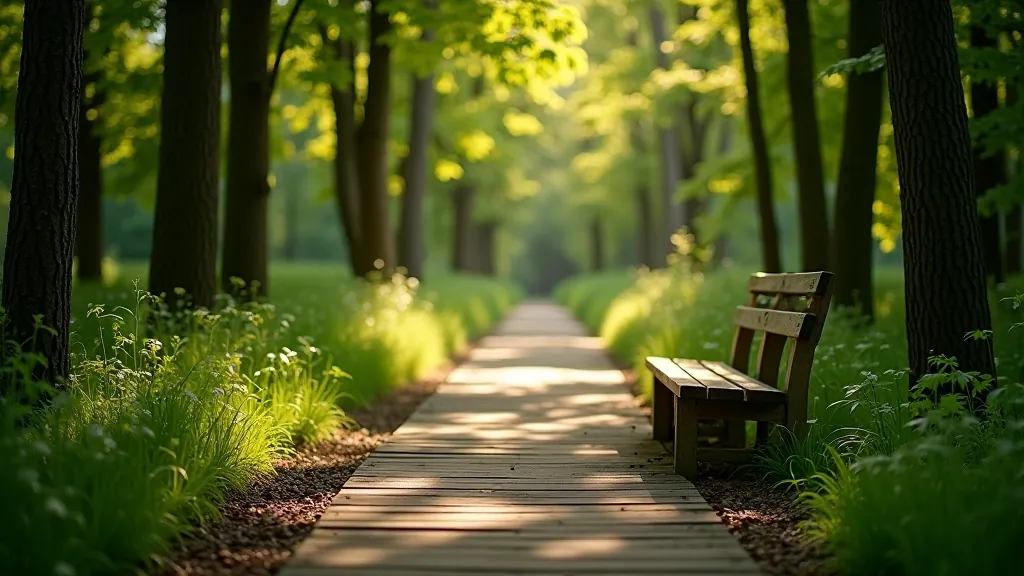
The walking paths connecting different spring locations have rest stops too. These tend to be smaller — often just a single bench — but they're placed thoughtfully. You might rest at a spot overlooking the old spring buildings, or beside a particular grove of trees that's been here for decades. It's quieter here than on the main boardwalk, which some people prefer. You're more likely to have a rest spot entirely to yourself.
Since these are outdoor spaces with minimal infrastructure, a bit of preparation goes a long way. You're not roughing it, but you're also not in a climate-controlled waiting room. Here's what actually makes a difference when you're taking breaks.
Wood benches are fine for 10 minutes, but if you're settling in for 20-30 minutes, a small cushion or folding pad makes it genuinely more comfortable. They're lightweight and pack down to nothing in a backpack.
Even on warm days, you'll cool down quickly when you stop moving. A lightweight jacket or cardigan matters. If you're visiting in spring or autumn, bring something warmer. The wind across the peatland can pick up without warning.
There's no food service at the rest areas. Bring enough water for the entire visit — at least 1.5-2 liters for a full day. Pack snacks you actually enjoy, not just whatever's convenient. Taking a proper rest includes nourishing yourself.
You're exposed to the sun while resting, especially on the open platforms. Insects can be active depending on the season. A good sunscreen and insect repellent mean you'll actually enjoy sitting still instead of swatting and squinting.
The boardwalk itself is well-maintained and relatively flat, but it's wooden construction — not ideal for mobility aids with small wheels. Rest areas are positioned right on the boardwalk, so you don't have to venture off-trail. Most rest spots are accessible if you can navigate the boardwalk itself. The covered pavilion in the center is the most accessible option if you need maximum stability.
Winter brings frost on the benches — bring something to sit on. Spring is mild but muddy in some spots. Summer is warmest (20-22°C typical) but busier. Autumn offers the best light and moderate temperatures. The covered pavilion becomes especially valuable during shoulder seasons when weather's unpredictable.
Here's the thing: resting while visiting Ķemeri isn't wasting time. It's actually the whole point. These spaces exist because people realized that moving slowly through nature — walking, then stopping, then walking again — is how you actually experience a place. You notice things you'd miss if you were constantly moving. A bird that would have disappeared. The specific quality of light at 4 PM. The smell of the peatland after rain.
Whether you're sitting on a bench overlooking the boardwalk, resting at a pavilion with a group, or taking a quiet moment on a platform near the mineral springs, you're doing exactly what these spaces were designed for. Come prepared, choose your spots based on what you're looking for — solitude or views or shelter — and don't rush through your rests. The landscape will be there while you sit. That's kind of the whole appeal.
This article is for informational purposes about rest areas and relaxation spaces in Ķemeri. While we've made efforts to provide accurate details about facilities and locations, conditions can change due to weather, maintenance, or seasonal factors. Always check current local information before visiting, particularly regarding accessibility or any temporary closures. Respect all posted signage and local regulations. The information provided is based on typical conditions and shouldn't replace personal consultation with local tourism authorities or park management for specific accessibility needs or current facility status.