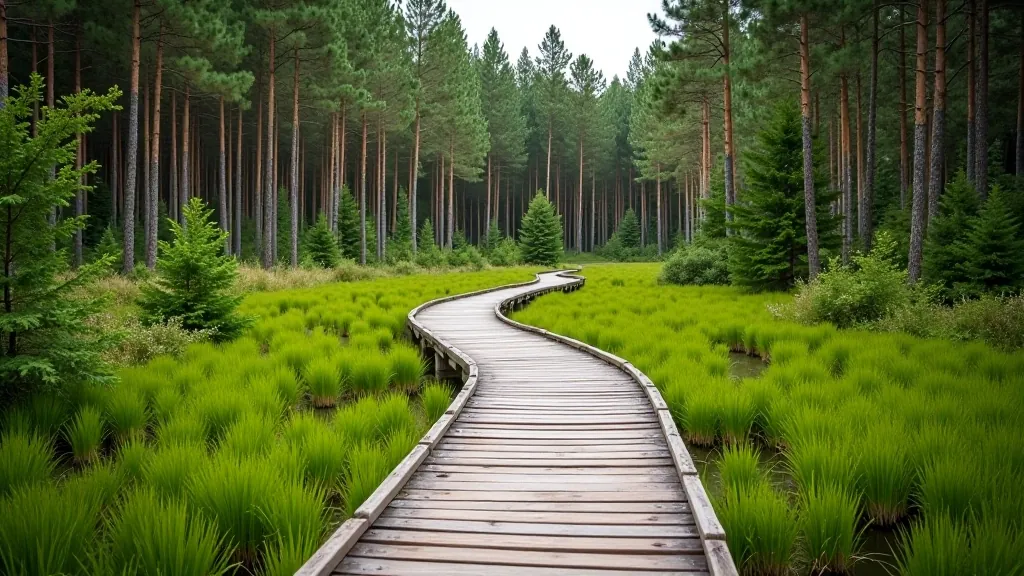
Exploring the Ķemeri Bog Boardwalk
A complete guide to walking the famous peatland trail. Learn what you'll see, best times to visit, and what to bring for a comfortable experience.
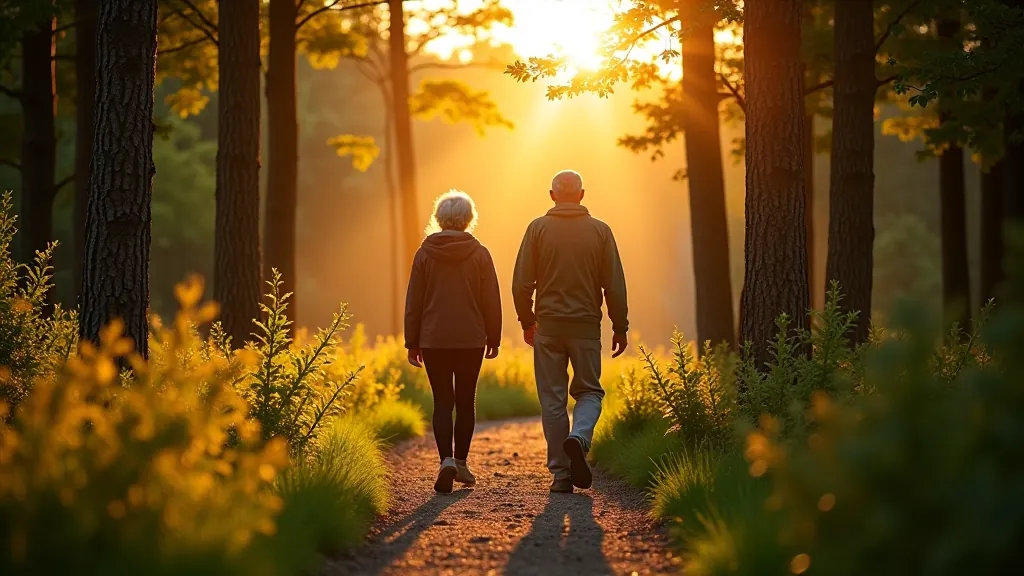
The art of moving slowly through natural landscapes. How to pace your visit, practice mindfulness outdoors, and truly connect with your surroundings.
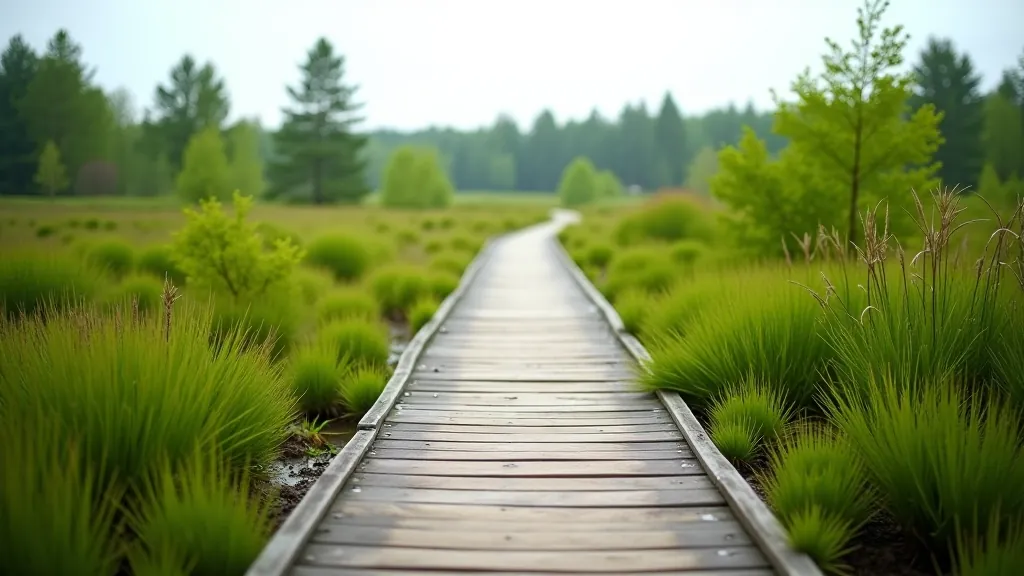
Slow travel isn't about covering distance. It's about presence. When you move deliberately through a natural landscape — whether that's the Ķemeri Bog Boardwalk or a quiet forest path — you start noticing things that rush misses entirely.
This approach works particularly well for nature spaces. You'll see birds you'd otherwise startle. You'll notice how light shifts through the canopy. Your body relaxes. Your mind quiets down. And that's when the real experience begins.
Slow travel means spending more time in fewer places. You're not checking boxes. You're building a genuine relationship with the environment.
Most people walk trails at 3 to 4 kilometers per hour. That's fine for fitness. But it's too fast for observation. Slow travel suggests cutting that pace in half — maybe 1.5 to 2 kilometers per hour depending on terrain.
At this speed, you can pause whenever something catches your eye. A lichen pattern on bark. Bird calls from the canopy. The way water reflects light on the peat surface. You're not fighting time. You're working with it.
Practical tip: Plan for 2-3 hours to walk what guidebooks say takes 45 minutes. Build in rest stops. Bring something to sit on if you want to linger in a particular spot.
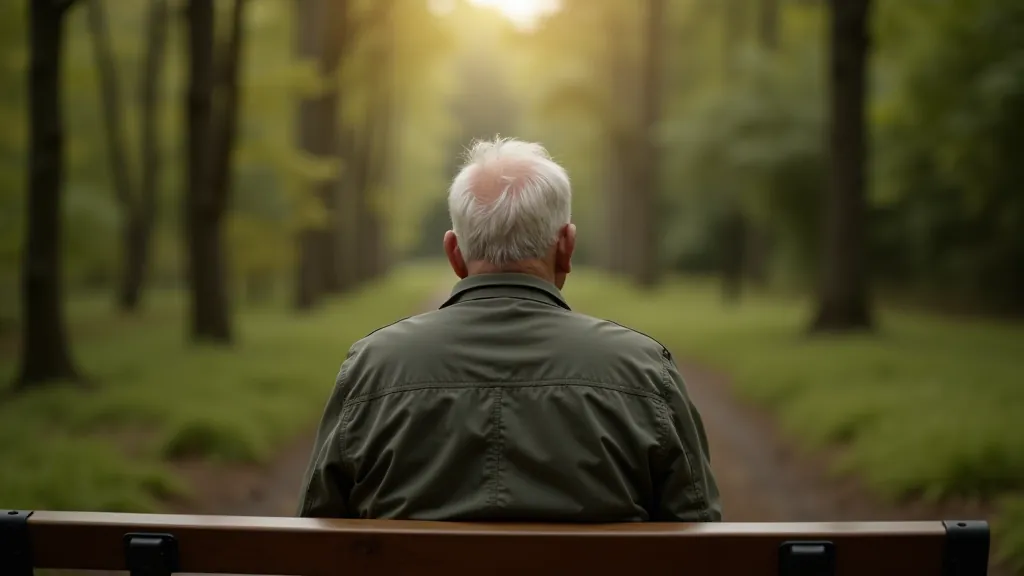
Mindfulness in nature doesn't require meditation training. It's simpler than that. It's just paying attention to what's actually happening right now instead of thinking about what comes next.
Try this: Stop walking. Stand quietly for 60 seconds. Notice what you hear. Not birds in general — specific bird calls. Not wind in trees — the particular way it moves through pine versus birch. Not the smell of earth — the exact combination of peat, moisture, and growing things.
You're training your senses. And when your senses are engaged, your anxious thoughts have less room to operate. That's the real benefit. Not spiritual transformation. Just your nervous system settling down because it's actually focused on something.
Real connection happens over time. It's not instant. When you return to the same place repeatedly, you start noticing seasonal changes. You see where the water level was last month. You notice which birds come in spring versus autumn. The landscape becomes familiar. It becomes yours.
Visit the same place multiple times — quarterly or monthly if possible, not just once.
Notice what changes — vegetation, water, light quality, animal activity patterns.
Have favorite spots — places where you sit, rest, or observe. They become anchors.
Respect the environment — stay on paths, don't disturb wildlife, follow local guidelines.
Slow travel through nature isn't complicated. But there are practical things that help. The right footwear matters — you'll be stopping often, so comfort is essential. Bring water. A small notebook for observations isn't necessary, but many people find it valuable. And don't schedule other activities tightly around your nature time. You want space to wander without watching the clock.
Comfortable walking shoes that grip well on damp wood. Layers that you can adjust as you warm up or cool down. Weather-appropriate outerwear since you'll be outdoors for hours.
Early morning offers wildlife activity and fewer crowds. Late afternoon gives you beautiful light through the trees. Avoid peak midday heat if you're walking at a deliberate pace.
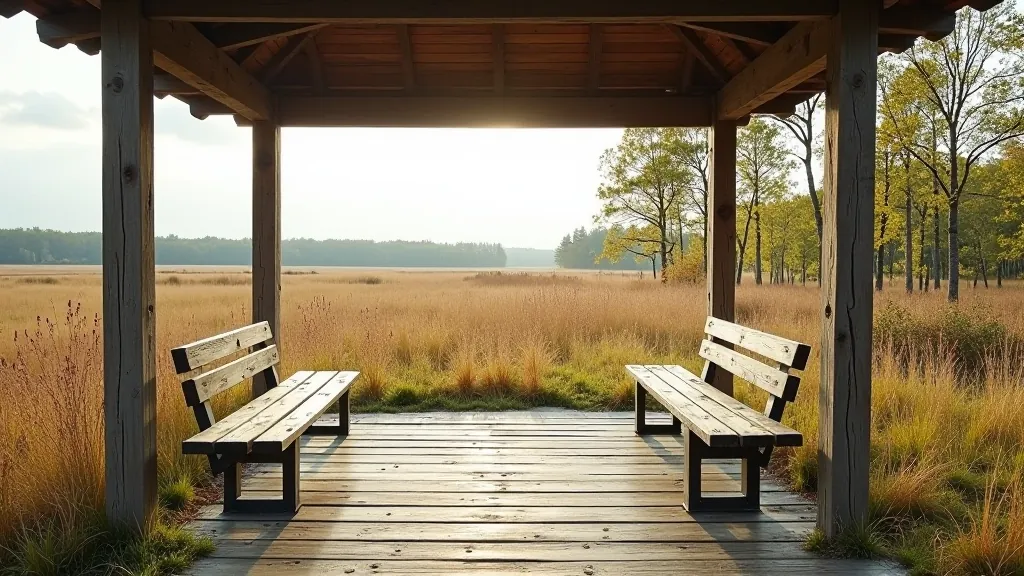
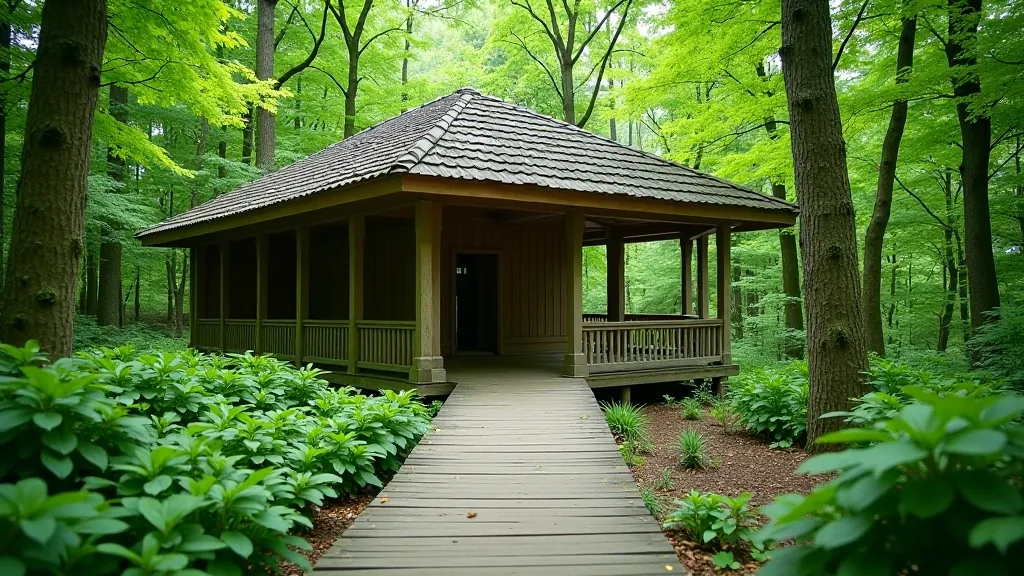
Ķemeri Bog has several rest areas and pavilions specifically designed for this. Use them. Sitting quietly for 10-15 minutes isn't laziness. It's the whole point.

You don't need special training to practice slow travel. You don't need to be young or particularly athletic. You just need to decide that moving slowly through a natural space is valuable. Because it is.
When you walk the Ķemeri Bog Boardwalk at 2 kilometers per hour instead of 4, you're not being inefficient. You're being intentional. You're choosing experience over achievement. And in a world that constantly pushes speed, that's increasingly rare. That's increasingly precious.
Start with one visit. Choose a time when you don't have anywhere else to be. Bring water. Walk slowly. Notice what happens when you actually pay attention. You'll understand why this matters.
This article provides educational information about slow travel practices and mindfulness in natural settings. Individual experiences with nature-based activities vary depending on physical condition, weather, and personal circumstances. Always follow local trail guidelines, respect private property, and check current access conditions before visiting natural areas. If you have health concerns related to outdoor activities, consult with a healthcare professional before undertaking extended nature walks.